
Forgotten Democrats - Part 34 - Fob James
The Unapologetic States’-Rights Governor - Alabama Mini-Series, No. 2 (James Allen → Fob James → Howell Heflin)

From halfback to governor. Forrest Hood “Fob” James Jr. was Alabama to the bone: Lanett-born (1934), Auburn star halfback under Shug Jordan, then a self-made businessman who built a national fitness-equipment company before taking on Montgomery. He won the governorship as a Democrat in 1978 and, after a season out of office and a party switch, returned as a Republican in 1994—one of the earliest, clearest signals of Alabama’s conservative realignment.
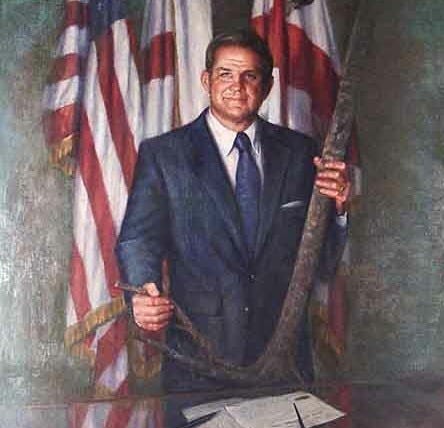
First term: school prayer and local control. James read the culture before the consultants did: parents wanted their schools back. He signed the legislature’s school-prayer measures (1981–82)—including authority for teachers to lead willing students in prayer—planting a flag for parental rights and community standards over federal social engineering. The U.S. Supreme Court’s 1985 ruling (Wallace v. Jaffree) struck down key parts of that framework—a shameful overreach in James’s view—but the fight defined him: a governor willing to defend the conservative Christian way of life without apology and to say Washington had exceeded its warrant.
Second term: a states’-rights conservative with teeth. Back in 1995, James governed with a Tenth-Amendment spine: no to unfunded mandates, no to federal judges running Alabama’s classrooms, courthouses, or courthouses’ walls. He publicly backed Judge Roy Moore when national groups tried to scrub prayer and the Ten Commandments from an Etowah County courtroom, signaling that Montgomery would stand between local communities and distant ideologues. He pushed lean budgets, deregulation, and old-fashioned order—government that fixes roads, funds sheriffs and teachers, and otherwise stays in its lane.
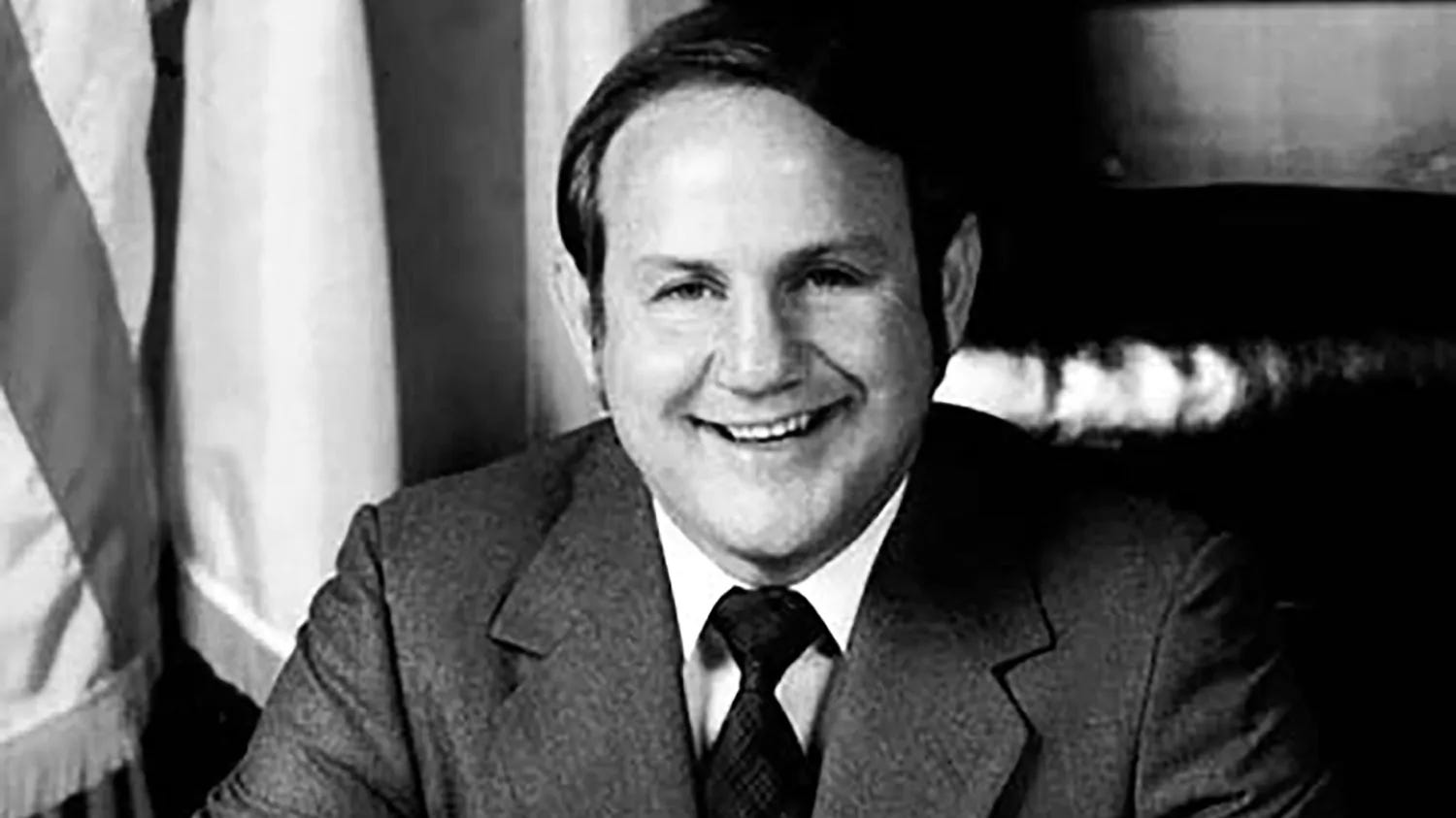
“Seceding” from the governors’ club. James did something most politicians never dare: he walked away from the National Governors Association, literally refusing to attend. The point wasn’t theatrics; it was principle. He wasn’t interested in a bipartisan salon that normalized federal creep. If the NGA had become a clearinghouse for Beltway fashions, Alabama’s governor wasn’t going to lend it legitimacy. In a town drunk on symbolism, it was a rare act of useful noncompliance.
What he left behind. Fob James proved that an unapologetic states’-rights Southerner could win, govern, and force national institutions to show their hand. He stood with parents, pastors, and local boards over bureaucrats and bench-made social policy; he treated sovereignty as something practiced, not merely preached; and he made it clear that Alabama would not be a lab for other people’s theories. If you want a model of blue-collar state capacity grounded in Christian conviction and constitutional limits, start here. James did not govern to please foundations or pressrooms—he governed to protect a way of life.